
Therapy Rooms to Rent in Bristol – Free Listings Available
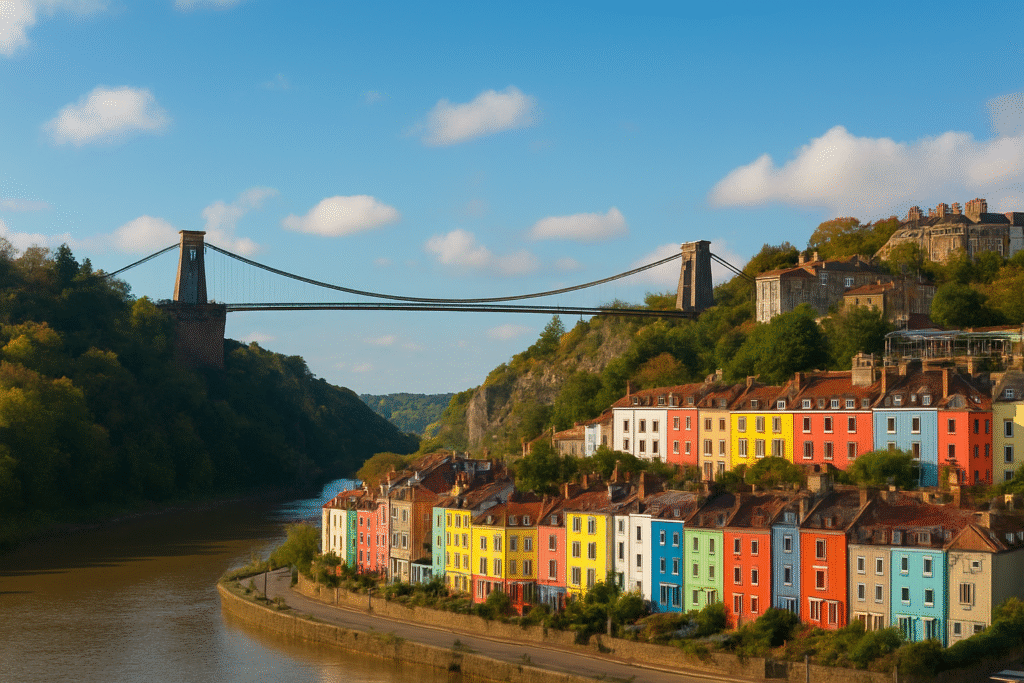
Find a therapy room to rent in Bristol
Bristol is slowly becoming one of the most popular cities in the UK for therapists that are thinking of setting up private practice. The city offers a mix of peaceful residential neighbourhoods, vibrant creative districts and well-connected central areas. This gives practitioners a wide range of settings to choose from. It does not matter if you prefer a calm, tucked-away space or a modern room that is located close to the buzz of the Harbourside, Bristol has something to suit every type of practitioner preference.
Within Bristol, you’ll find therapy rooms available in Clifton, Redland, Bedminster, Bishopston, the city centre and many other areas. A lot of these spaces can be rented by the hour or on a flexible ad-hoc basis. This makes it easier to build up your caseload without being tied into a long lease.
Bristol’s established public transport network makes it convenient to reach for clients travelling from Bath, North Somerset and South Gloucestershire. This helps therapists attract a wider client base.
Feel free to explore a selection of therapy rooms that are currently available in Bristol. Each of our listings include photos, pricing information and direct contact details. You can get in touch with room owners quickly and easily.
If you have a therapy room in Bristol available that you’d like to let, you can create a free listing on our platform. No payment details are required. Once your space is approved, therapists from across the UK will be able to contact you through our platform.
Rooms to rent in Bristol
{{locationDetails}}