
How to Create a Neurodiversity-Affirming Therapy Room
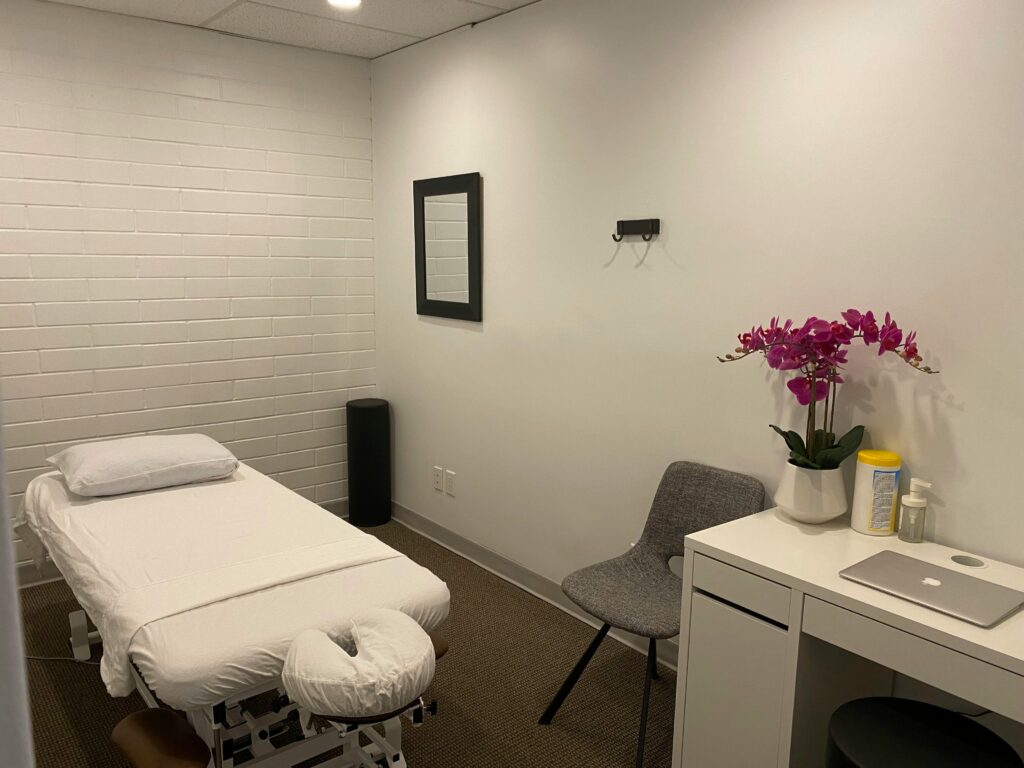
The physical environment of a therapy room shapes the therapeutic relationship in ways that practitioners often underestimate. For neurodivergent clients, including those who are autistic, have ADHD, or experience sensory processing differences, the room itself can either support engagement or create barriers before a single word is spoken. This guide explains how to adapt your therapy room to be genuinely neurodiversity-affirming, without requiring a complete redesign or significant investment.
📋 In This Guide
- Understanding Neurodiversity-Affirming Practice
- Lighting: Start Here
- Sound: Predictability Matters More Than Silence
- Seating: Offer Genuine Choice
- Visual Environment: Reduce Unnecessary Load
- Smell, Air Quality, and Temperature
- Information and Predictability
- Clear Signage and Wayfinding
- Neurodiversity Resources
- Comments
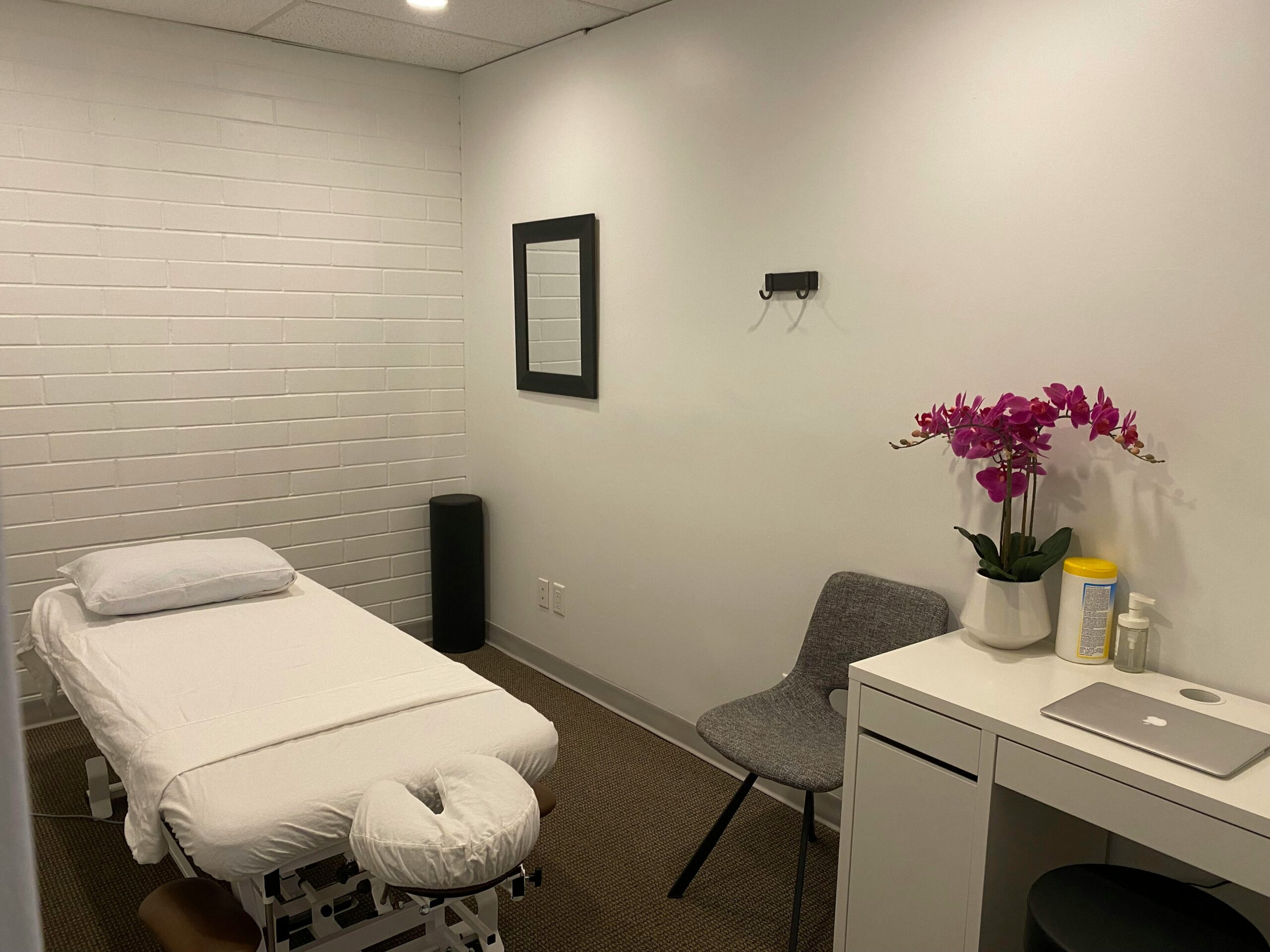
Understanding Neurodiversity-Affirming Practice
A neurodiversity-affirming approach recognises neurological differences as natural human variation rather than pathology. In a therapy room, this means designing a space that respects different sensory profiles, communication preferences, and ways of processing information. It is about offering flexibility and predictability rather than imposing a single standard environment.
The National Autistic Society emphasises that small environmental adjustments can significantly reduce anxiety for autistic individuals. The same principles benefit clients with ADHD, dyspraxia, and other neurodivergent conditions.
Lighting: Start Here
Lighting is the most commonly reported environmental discomfort for neurodivergent individuals. Fluorescent tubes are particularly problematic due to their flicker rate and harsh quality.
- Replace fluorescent lighting with warm LED panels
- Use dimmable table lamps instead of overhead lighting where possible
- Install adjustable blinds to control natural light
- Avoid screens or devices with strobe effects in the room
Sound: Predictability Matters More Than Silence
Many neurodivergent individuals are not bothered by sound per se, but by unpredictable or intrusive noise. A consistent hum from an air conditioner is often less disruptive than intermittent traffic noise or footsteps from an adjacent room.
- Choose rooms with solid core doors and good frame seals
- Use soft furnishings, rugs, and curtains to absorb echo
- Consider a white noise machine to mask unpredictable external sounds
- Be honest with clients about expected noise levels before they book
For a technical guide to improving room acoustics, see our article on how to soundproof a therapy room on a budget.
Seating: Offer Genuine Choice
Not everyone finds a standard armchair comfortable. Some individuals need movement to maintain focus. Others need firm support or the ability to change position.
- Provide a range of seating options: firm chairs, softer sofas, and floor cushions
- Make a weighted blanket available as an optional comfort tool
- Keep fidget items discreetly accessible: stress balls, textured pads, or tangles
- Allow clients to stand or move during sessions if they need to
Visual Environment: Reduce Unnecessary Load
Visual clutter can be mentally taxing. A completely bare room, however, can feel sterile and unwelcoming.
- Keep surfaces tidy and organised
- Use neutral, calming wall colours
- Limit decorative items to a few intentional pieces
- Maintain a consistent layout so returning clients know what to expect
Smell, Air Quality, and Temperature
Scent sensitivity is common among neurodivergent individuals. Strong air fresheners or residual cleaning chemicals can be overwhelming.
- Use unscented or mildly scented cleaning products
- Remove plug-in air fresheners
- Ensure good ventilation
- Keep the room between 20 and 22 degrees Celsius
- Offer a spare blanket for clients who run cold
Information and Predictability
Uncertainty generates anxiety. Providing clear, explicit information about the room and process before the first session helps clients feel safe.
- Send photographs of the room and building entrance
- Provide written directions including parking and public transport
- Explain the session structure clearly at the outset
- Offer written summaries if the client finds them helpful
Clear Signage and Wayfinding
Navigating an unfamiliar building can be stressful. Clear signage reduces pre-session anxiety.
- Label the therapy room clearly
- Provide directions to toilets and waiting areas
- Include accessibility information on your website or booking confirmation
Conclusion
A neurodiversity-affirming therapy room does not need to meet every possible need at once. It needs to offer choice, reduce unnecessary sensory demands, and be predictable. These adjustments benefit all clients, not only those who are neurodivergent, and signal a genuine commitment to inclusive practice.
Looking for an inclusive therapy room? Browse therapy rooms across the UK that meet professional standards.
Published: May 2026 | Last Updated: May 2026
