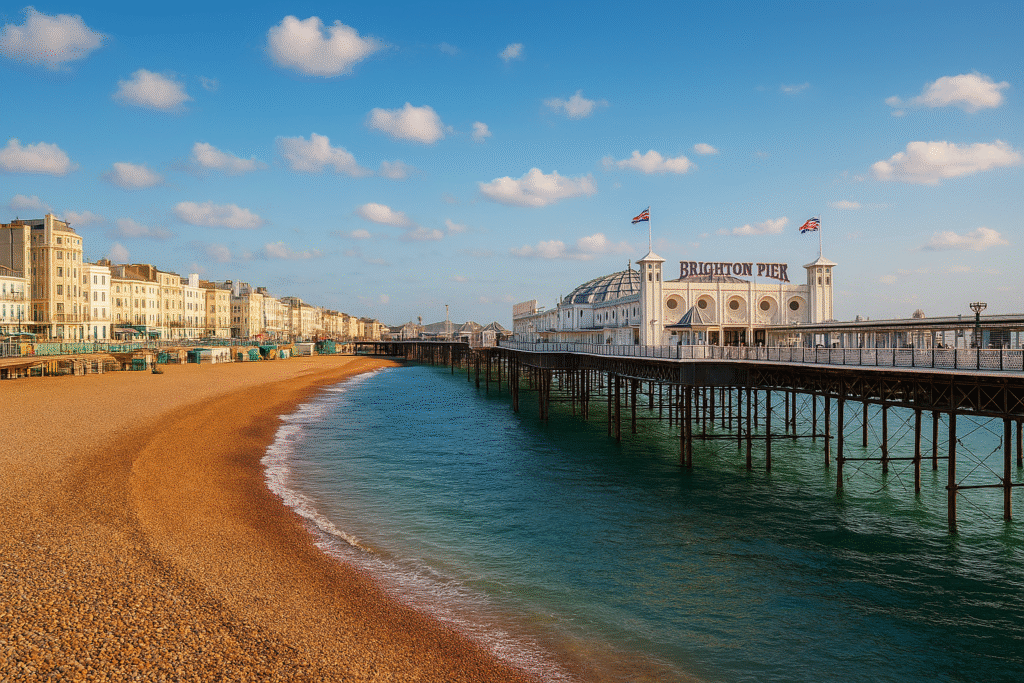
Brighton has the highest density of therapists per capita in the UK, with rooms concentrated in the North Laine, Seven Dials, and Hove. Rates sit above the south coast average. The city's reputation as a wellbeing destination attracts clients from across Sussex. Rooms with natural light and a non-clinical feel perform best, Brighton clients actively avoid sterile environments.
Brighton is unique: it has more therapists per head than any other UK city, including London. The city's progressive, wellbeing-focused culture means therapy is normalised, there is less stigma, which translates into higher demand. Practitioners move to Brighton specifically to build private practices, creating a competitive but vibrant market where quality rooms are always in demand.
What Brighton practitioners look for: Natural light is the single most important feature, more than price, more than location. Brighton clients expect therapy spaces to feel welcoming, creative, and human. Hove (particularly the Church Road and Western Road corridors) has seen a 30% increase in therapy room openings since 2024. The North Laine remains the cultural heart of Brighton's therapy scene, though rooms here are smaller and pricier.
Tip: Brighton practitioners serve clients from across Sussex, Eastbourne, Lewes, and even parts of Kent. Rooms near Brighton station command a premium because out-of-town clients can walk from the train. Seven Dials offers a sweet spot: 10 minutes from the station, slightly lower rates than North Laine, and still central enough for local clients.
Frequently asked questions about therapy rooms in Brighton & Hove
Why does Brighton have so many therapists?
Brighton has the UK's highest therapist-to-population ratio. The city's progressive culture normalises therapy, attracting practitioners who want to build private practices in a community where demand is high and stigma is low. It also draws clients from across Sussex and the South East.
How much are therapy rooms in Brighton and Hove?
Brighton therapy rooms price above the south coast average. North Laine and central Brighton command the most, Hove and Seven Dials offer the better value, and full-time rooms still cost well below London rates. The premium over other South East cities reflects Brighton's uniquely high therapist density.
What do Brighton clients expect from a therapy space?
Brighton clients strongly prefer non-clinical spaces with natural light and character. Sterile, corporate-feeling rooms underperform. Features like plants, artwork, comfortable waiting areas, and eco-conscious touches (natural materials, good ventilation) are genuine competitive advantages in the Brighton market.