
How to Photograph a Therapy Room for Rent (UK Guide)
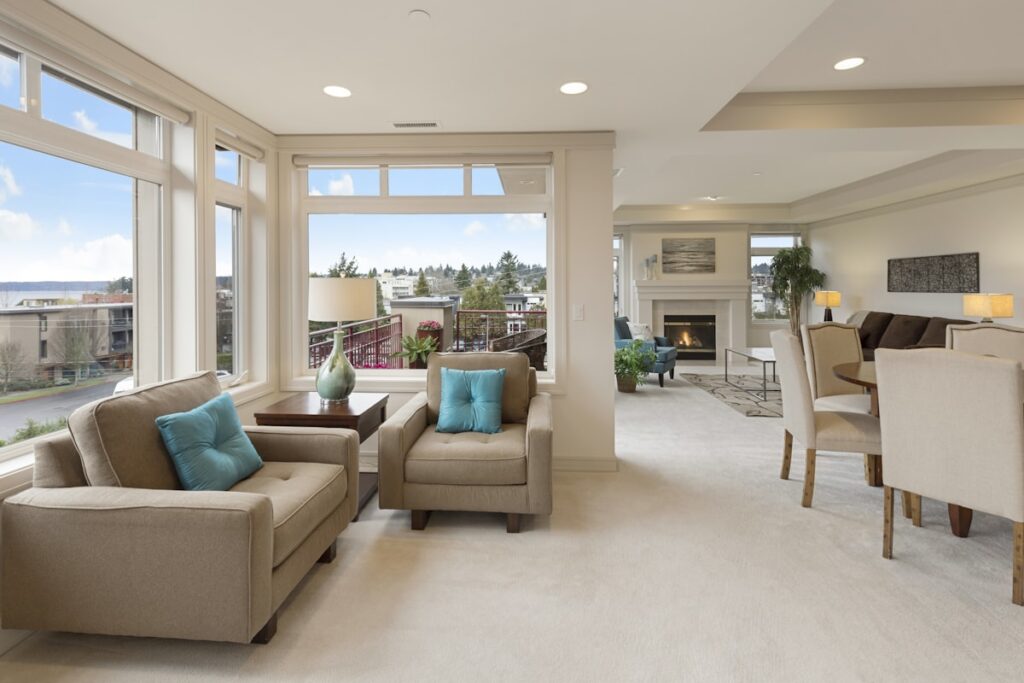
Most therapy rooms that sit empty on listing sites share one problem. It is rarely the price. It is almost never the location. It is the photos. A room that looks dark, cluttered or cramped on screen never gets the viewing it deserves, while a well-photographed space can rent within days of going live. The good news: you do not need a professional photographer, an expensive camera, or a booked studio to put a gallery together that sells the room for you. Three things will do it. A clean room, natural light, and a phone held at the right height. This guide covers the shots renters actually expect, the mistakes that put them off, and how to keep the images honest and compliant.
Why listing photos decide whether your room rents
A counsellor, beautician or massage therapist looking for a room to rent is making a judgement call from a phone screen, and they make it in seconds. Photos are the first evidence they have that the space is professional, private and pleasant to work in, and often they are the only evidence they will get before they decide. Rooms with a clear cover image and a full gallery pull more enquiries than identical rooms with one blurry picture, while listings with no cover image at all get skipped entirely. Your photographs sell the room before you reply to a single enquiry. Show the room as a place a practitioner would be proud to bring clients.
Before you pick up your phone, try seeing the room through a renter’s eyes. Read our checklist of what therapists look for when viewing a room to rent and shoot those exact features. What renters ask about before a viewing is what they want to see in the photos. Answer those questions in advance.
Prepare the room before you shoot
No camera fixes an untidy room. Stage it first. Set aside twenty minutes and work through the space one area at a time, from the desk to the window ledge to the corner behind the door:
- Declutter surfaces. Clear desks, shelves and window ledges. A few purposeful items (a box of tissues, a lamp, a plant) are fine; stacks of files, mugs and cables are not.
- Hide the personal. Coats, bags, family photos, medication and half-drunk cups must leave the frame. Renters want to imagine their own practice in the room.
- Make the bed or treatment couch. Fresh, wrinkle-free linen reads as professional and hygienic. If the room uses a therapy couch, add a clean paper roll or neatly folded towel.
- Open the curtains and turn on lamps. Daylight plus warm lamps avoids the cold, flat look of ceiling-light-only shots.
- Tidy the corners. Bins emptied, leads tucked away, chair pushed in. Corner-to-corner photos show everything, so check every angle.
If the room needs more than a tidy-up before it is photographed, our guide to furnishing a therapy room on a budget covers low-cost upgrades that photograph well: a neutral throw, a better lamp, a well-placed mirror.
What kit do you actually need?
A modern smartphone is genuinely enough. Phone cameras from the last few years beat entry-level point-and-shoots, and the wide lens is an advantage in a small room where a longer one would leave you shooting the wall. Two cheap additions make a noticeable difference:
- A small tripod or phone stand (£15–25). It keeps shots level and sharp, especially in lower light, and lets you use the self-timer so you are not in the photo.
- Wide-angle mode used sparingly. The 0.5x setting captures more of a small room, but hold it at the right height (see below) or the walls will bow.
If the room is unfurnished, the empty shell is honest but rarely appealing. Shoot it anyway. Then add a second photo once a basic chair and table arrive, because a furnished room consistently outperforms an empty one on every measure that matters to a renter.
Lighting: the single biggest difference
Lighting matters more than any other technical factor in the list. Aim for bright, even, natural-looking light with no heavy shadows and no colour cast, and check the result on the phone screen before you move on. The practical rules:
- Shoot during the day. Mid-morning to mid-afternoon gives the most forgiving window light. North-facing rooms stay even all day; south-facing rooms are best slightly off-peak when the sun is not glaring directly in.
- Turn off the main ceiling light if it is harsh or fluorescent: it creates a yellow or green cast. Lamps alone often give a warmer, more welcoming image.
- Work with the window, not against it. Stand with the window at your side or behind you so the light falls across the room. Shooting directly into a bright window turns the whole room into a silhouette.
- Let the camera settle the exposure. Tap the screen on the middle of the room (not the window) so the camera exposes for the interior, then it will lift the shadows for you.
- Shoot in colour, not filters. Heavy filters make the room look different in person, and renters notice. If your phone applies a default “vivid” boost, switch it off in the camera settings.
Lighting choices also affect running costs and comfort once the room is in use. See our guide to energy-efficient and sustainable therapy room setup for bulbs and heating that photograph well and keep bills down.
The shot list: eight photos that answer real questions
Renters do not want artistic shots. They want answers. Work through this list and you will cover every question a serious enquirer asks before they book a viewing. Eight shots, eight answers.
- The full room from the doorway. The money shot. Shoot at chest height (roughly 1.5m) from the doorframe, showing the whole space and how the layout flows. This is your cover image.
- The window and light. Renters ask about natural light constantly. One shot looking at the window (from a side angle, not directly into it) proves the room is bright.
- The seating or couch area. Close enough to show condition: clean upholstery, supportive chair, a small side table for a drink or notes.
- The work surface. Desk or treatment trolley with room for a laptop, notes or equipment. Show the storage available, not just the surface.
- The sink or wash facilities. For massage and beauty rooms this is essential: therapists need hand-washing and equipment cleaning nearby.
- Storage. A cupboard, drawer unit or shelving reassures practitioners they can keep supplies on site securely.
- Sound and privacy features. Solid door, frosted window, curtains, or soundproofing treatment. Photograph what you have, because our soundproofing guide shows it is a top-three priority for most therapists.
- The entrance and building. One exterior or reception shot helps renters find the venue and judge the setting. Only include this if the approach is presentable. A photo of a scruffy corridor does more harm than good.
Eight to ten images is the sweet spot: a strong cover plus a gallery that covers the room from several angles, because that is what the listing card and the detail page both need. Most listing platforms, including Rent A Therapy Room listings, display a cover image and a gallery. Upload every usable shot. Do not force yourself to pick one.
Angles and composition that flatter a small room
Room photography is about showing space honestly. A few composition habits make even a small, awkwardly shaped room look its best without misrepresenting a single thing about it:
- Shoot from the corners. Standing in a corner and aiming across the room shows two walls and maximum depth. Shooting square-on to one wall flattens the space and wastes the other half of the room.
- Keep the camera level. Pointing down makes the room look smaller; pointing up makes furniture look distorted. Chest height, level, is the rule.
- Use verticals for the cover. Listing cards and social previews often crop tall, so a portrait orientation shot of the full room gives you flexibility. Horizontal shots are fine for the gallery.
- Mind the wide-angle bow. If doorframes and skirting boards curve at the edges, step back and zoom slightly, or move to 1x from further away. Mild bowing is normal in small rooms, but heavy distortion looks unprofessional.
- Shoot the same room twice if it does double duty (therapy by day, group work by evening). A second arrangement widens your appeal.
What never belongs in a listing photo
Some things should not appear in the frame for legal and professional reasons:
- People, including you. Photograph the empty room. Clients, colleagues and visitors must never be identifiable in a listing photo: their image is their personal data, and publishing it without consent breaches data protection rules. The Information Commissioner’s Office (ICO) guidance on UK GDPR for organisations is clear that photos of identifiable people count as personal data.
- Client information. Appointment diaries, case notes, consent forms or a visible laptop screen showing client details. All of it stays out of frame.
- Anything you would not want a client to see. If an item would embarrass you during a session, it does not belong in a listing photo either.
If your best shot happens to include a person, crop them out or retake it. A clean room photo is always preferable. It keeps you on the right side of the rules, and it saves you a difficult conversation later.
Quick edits that lift every photo
You do not need editing software. The built-in editor on your phone covers everything useful, and it will not let you ruin a good photo:
- Straighten any shot where the horizon or doorframe tilts.
- Lift brightness slightly if the room reads darker than it is in person.
- Reduce highlights if the window is blown out to white.
- Crop to remove a stray bin, cable or doorway edge at the frame border.
- Stop there. No saturation boosts, no sky replacements, no adding warmth that the room does not have. Renters who arrive and find the room looks different from the photos will walk, and some will leave a review that says so.
Awkward rooms: attics, alcoves and tight corners
Not every room to rent is a square, bright box. Many of the best-value spaces are attic rooms, basement rooms or awkwardly shaped corners of a shared building, and they photograph perfectly well once you know the tricks:
- Sloped ceilings: shoot from the highest point of the room looking along the slope, so the ceiling reads as character rather than constraint. Never shoot from the low side looking up. It makes the room feel like a cave.
- No window: be upfront. Photograph the room with every lamp on, then state “no natural light, good blackout for sensory work” in the description if that is genuinely a feature. Some practitioners actively seek windowless rooms for certain therapies.
- Very small rooms: one wide shot from the doorway plus close-ups of the chair, surface and storage tells the full story better than three contorted attempts to “show everything”. Renters forgive a small room with a clear layout; they do not forgive photos that hide the size.
- Shared or multi-use spaces: if the room is one of several in a clinic or salon, photograph your room plus one shot of the shared waiting area or kitchen. It shows the professional environment around it.
Refresh your photos every season
Photos age faster than rooms. The golden September light that made your room look wonderful will not match what a renter sees on a grey January viewing, and a cover image that has been up for two years quietly signals “this listing is stale”. Refresh the set twice a year. Spring and early autumn are the natural times, ideally after any change to the room itself. If you replace the flooring, add a partition, buy better chairs or repaint, photograph the room that same week. Fresh photos also give you a reason to re-engage past enquirers, because a short message saying the room has been updated costs nothing and sometimes revives a conversation that went quiet.
Pricing, agreements and getting the room listed
Once the photos are ready, the rest of the listing process is straightforward, and none of it takes long. Set a realistic rate: our UK pricing guide for therapy room rentals breaks down typical hourly and monthly rates by city. Then protect yourself with a proper contract, either our free interactive rental agreement builder or the downloadable agreement template. A listing that is complete, with sharp photos, an honest description, a clear price and full details, is the fastest route to a booked room.
Ready to show off your room? Create a free listing on Rent A Therapy Room and upload your best shots, then list your room here and it will be visible to practitioners across the UK within minutes.
